Blog

  • Grilled vs Pan-Seared Surf and Turf: Which Method Gives Better Flavor?

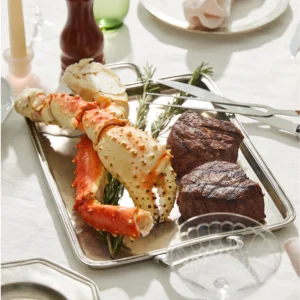
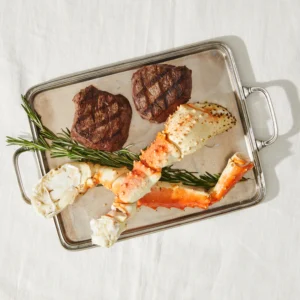
    surf and turf dinner for two

    Surf and Turf Dinner For Two: Grilled vs Pan-Seared Surf and Turf

    Firstly, the benefits of grilling steak.

    The answer really comes down to what your plans are for the meal. Is it a party, a quick mid-week surf and turf dinner for two or a weekend BBQ? Also, think about what flavours you enjoy.

    Like any cooking method, how a steak is cooked will make a difference not only to the flavour but also the nutritional value. The most skilled cooks typically choose between grilling and pan-frying steaks depending on how they want the meat cooked for the occasion, rather than favouring one method over the other.

    Depending on what cooking methods you learned, you might use one way more often than the other. Perhaps you have the perfect cast iron frying pan in your kitchen and find this simple to use when preparing to cook steak.

    Or perhaps you are more of an outdoor chef and like to grill outside! Whether you use a grill or pan, the result you want is perfectly cooked pork chops, crispy golden chicken breast, or a new york strip steak finished medium rare to your taste every time.

    Preparing steak and cooking meat is all about the end result and the experience of eating it, and we will take you through the differences between pan-frying steak and grilling steak.

    Flavour

    What most people will tell you about grilling your steak is that the flavour is second to none. Steak cooked over a grill has a smokey flavour different from pan-fried steak.

    Of course, you can use a grill pan indoors, and it will give you those gorgeous grill marks we are familiar with, but for this example, we are really talking about a grill over direct heat or flame.

    Steak lovers love grilled meat because of its distinct flavour. The smokey flavour of grilled meat can change depending on the grill’s heat source: charcoal, wood, gas, or electricity and each allows you to produce steak with unique flavours.

    While the meat is being cooked, the smoke rising from the grill or BBQ adds to the overall flavour of the meat. Something you cannot recreate in a frying pan.

    No excess oil

    When you cook meat over a grill, cooking steak requires less oil. Unlike pan-frying, with grilled steak, a little oil is all you need to stop the fresh steaks from sticking to the grill, which is good news if you are watching your cholesterol intake.

    You can make a healthy meal by grilling some vegetables with your steaks. Choose vegetables that require the same or less cooking time than your steaks, such as zucchini, sweet corns, capsicum, or onions, and you can finish cooking them together.

    Fun and simple – with no washing up!

    When you think of outdoor grilling, you likely think of BBQs with family or friends. You can catch up on the news while you cook the steaks, plus you can easily cater for a large group.

    Outdoor grilling can be fun because what can be better than enjoying delicious steaks in the sunshine with the family?

    And best of all, there are no dishes from the grill. It is always a good idea to wipe down the grill when you have finished cooking, but nothing else is required. Nice and easy.

    Simple tips for grilling a steak from best surf and turf restaurants near me


    Take the steak out of the fridge

    Half an hour before grilling, take out the steak from your fridge. A one-inch-thick cut is perfect for cooking grilled steaks, and it should get to room temperature before you grill.


    Get your grill heated up

    It should go without saying, but remember to pre-heat the grill.


    Season and oil the meat.

    You can use grapeseed oil or vegetable oil and cover to taste with a generous amount of salt and some freshly ground pepper from your pepper mill.


    Do not move the steak too quickly

    Place your steak on the grill. Turn it over after three minutes or so depending on how well you like your steak done. It should take around seven to nine minutes for medium, but it also depends on how hot your grill is.

    To be sure whether the meat is done, use a digital meat thermometer to determine how well the steak is cooked. The interior temperature of a medium-rare steak should be around 55-60 degrees Celsius.


    Rest the steak

    When the steak is done, take it off the grill and leave it to rest for around five-seven minutes. Don’t slice it until you are ready to eat!

    You may want to consider a hot baste when you’re grilling food. This allows you to add more flavour to the meat whilst it is cooking on the grill, however, it does require some extra skill. For your first attempt, try the simple method above to really experience the benefits of grilling steak.

    surf and turf dinner for two

    Now, the benefits of pan-frying steak

    Flavour – again!

    Pan-frying steak imparts a different flavour to grilling steak because the steak is sitting in the cooking oil or butter. This is called pan searing and the resulting cook on the steak provides a caramelised, crispy exterior with a juicy centre.

    If you have watched any cooking shows, you have probably noticed how the chefs gently press down on the steak so that the entire surface comes into contact with the hot pan. This results in a pan-sear, and a steak seared in a frying pan develops a rich, caramelised brown exterior.

    But it is important not to mistake pan-frying for deep frying. Deep frying involves immersing the meat fully in cooking oils, whereas a pan-fry has just enough oil to cover the base of the frying pan.

    Fast

    Unlike grilling steak which takes time to prepare your grill, the best way to quickly cook a steak is by pan-frying. The meat ought to be done with just some six to eight minutes of pan-searing.

    Depending on how well cooked you like your meat. Just take your steak out of the refrigerator half an hour before cooking. Add some oil to the pan, and cook.

    Tips for pan-frying steak


    The first tip is to buy the best steak

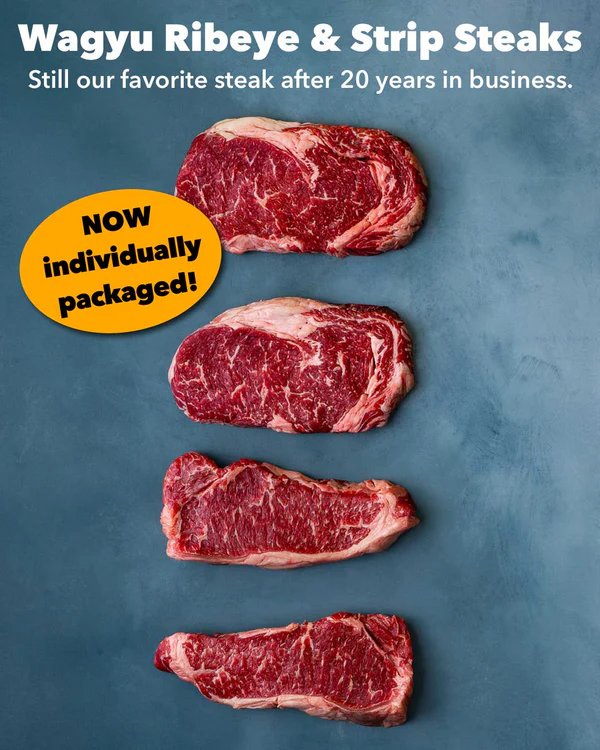
    Boneless steaks that are about an inch or an inch and a half thick are the best. You can use New York strip steak or a boneless rib-eye. If you use the leanest beef, you might find that the flavour is not as good. If the steak shows good marbling (the white fats in the meat) throughout, your steak will have a juicy centre.

    If you are watching your cholesterol intake, you can trim all the fat from the steak’s exterior, which will increase the nutritional value by removing excess fats. You can also use less oil; however, do not reduce the oil so much that the steak comes into contact dry with the frying pan.


    Pan-frying requires high heat

    To get a good pan-sear and obtain the perfect steak with a juicy centre, pan-frying has to be done quickly. Try not to take your attention away from the cooking steak because you can easily overcook it.

    To pan-sear steak perfectly, it is best to use a heavy pan like a cast iron skillet, which helps to distribute the heat more evenly and give the surface an even cook.


    Season the steak well

    One of the benefits of pan-frying is when you pre-season the steak, you cook the flavours into the surface of the steak. For well-seasoned steak, rub it with an oil of your choice and add salt and pepper to your taste.


    Keeping the steak moving

    As mentioned earlier, pan-frying steak is fast! You are cooking the meat on high heat, and by moving the steak around – turning it every minute or so – you will ensure the outside crust of the steak is evenly cooked.


    Undercook rather than overcook

    Resting meat continues to cook, so if you are unsure if your meat is done, but it looks close, take it off the heat and allow it to rest. To be perfectly sure, you will need a meat thermometer to check the temperature if you are particular about the cook of your steak.


    Hot baste

    Add some butter and herbs of your choice at the end of your cook to make a hot baste. Finish the meat by basting it with a large spoon, and the flavours will be mouth-watering.

  • The Best Steak Cuts for Surf and Turf (Ranked by Flavor and Tenderness)

    steak cuts

    Steak Cuts: The Best Steak Cuts for Surf and Turf

    Welcome to the world of surf and turf, a classic culinary duo that brings together steak cuts, the best from the land and sea. Here at Katu Crab, we’re all about crafting meals that turn ordinary evenings into extraordinary experiences.

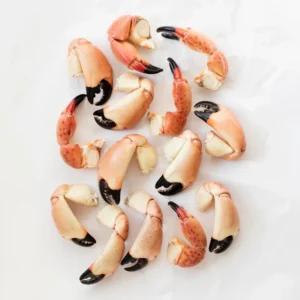
    In this guide, we’ll pair our succulently fresh stone crab claws with prime cuts of red meat — like filet mignon, ribeye steaks, and New York strip steaks — to create a meal fit for any special occasion.

    Our aim is to share some of the secrets and tips from our years of experience, helping you prepare a surf and turf feast that’s as enjoyable to cook as it is to eat. So, let’s get started on this culinary adventure, where the delicate flavors of the sea meet the rich depth of premium meat.

    What Is the History of Surf and Turf?

    Surf and turf is a culinary tradition rooted deep in American steakhouse culture. This dynamic pairing first gained popularity as a symbol of luxury dining, offering the best of both worlds — land and sea.

    Over the years, it has come to represent more than just indulgence. It’s a meal that signifies celebration and special occasions.

    The reason surf and turf meal remains a favorite is its balance: the lean, protein-rich red meat alongside the light, often subtly sweet seafood creates a dining experience that’s both satisfying and diverse.

    Each bite offers a contrast in flavors and textures, from the tender, juicy cuts of steak to the delicate, nuanced taste of our stone crab claws. It’s a combination that tantalizes the taste buds and provides a well-rounded, nutrient-rich meal.

    Perfect Meat Cuts

    How Do I Select the Perfect Meat Cuts?

    Choosing the right cut of meat is crucial for a perfect surf and turf. Here are some top picks and what to look for:

    Filet Mignon: Known for its tenderness, this cut is lean and cooks quickly. It’s perfect for those who appreciate a softer, more delicate beef flavor.
    Ribeye Steaks: If you’re after juiciness, go for ribeye. Its rich marbling ensures a flavorful and moist steak, ideal for those who love a hearty meat experience.
    Sirloin: A great all-rounder, sirloin offers a balance of tenderness and flavor, making it a versatile choice for various cooking methods.
    When preparing these cuts, consider the following:

    Marbling: Look for good marbling — those little streaks of fat — as they melt during cooking, imparting flavor and tenderness.
    Doneness: Think about how you like your steak cooked. Whether it’s rare or well done, achieving your desired doneness is key to enjoying your meal.
    Prep Time: Allow the steak to come to room temperature before cooking. This helps cook the steak evenly and achieve a perfect sear.

    Mastering the Art of Cooking Prime Cuts

    Cooking prime cuts to perfection is an art form that every aspiring chef should master. The key to a beautifully seared steak lies in a few crucial steps.

    First, select a high-quality cast iron skillet — it’s your best friend for achieving that enviable sear. Before the steak hits the pan, pat it thoroughly dry with a paper towel.

    This step is crucial as it helps to get that perfect crust. Season generously with salt and black pepper, which enhances the natural flavors of the meat.

    Now, let’s talk about heat. Crank your stove up to high heat and let the skillet get hot — really hot. This high temperature gives the steak its deliciously rich and caramelized exterior. Place your steak in the skillet and hear that satisfying sizzle.

    For a medium rare doneness, cook each side for about three to four minutes, depending on the thickness of the cut. Remember, cooking times will vary if you’re aiming for medium-well or rare. Feel free to use a meat thermometer to check the internal temperature to achieve your desired doneness.

    Once cooked, let your steak rest for a few minutes. This allows the juices to redistribute, ensuring a moist and tender bite every time. Now, you’re ready to serve up a steak that rivals the best steakhouse offerings.

    standing rib roast resized 1024x768

    Pairing With Stone Crab and Other Seafood

    Creating the perfect surf and turf involves not only choosing the right cuts of meat but also pairing them with exquisite seafood. At George Stone Crab, we pride ourselves on our stone crab claws, which make an exceptional addition to any surf and turf dish.

    Here are some tips and ideas to elevate your seafood pairings:

    Stone Crab Claws:

    Serve our stone crab claws as a succulent starter or alongside your prime cut. Their sweet, tender meat pairs beautifully with a variety of steaks, from a delicate filet mignon to a richly marbled ribeye.
    For an added touch, serve with a side of lemon juice-infused butter or a white wine reduction sauce.
    Scallops:

    Pan-sear scallops in unsalted butter on medium heat until they reach a golden-brown crust. The key is to avoid overcrowding the pan to achieve that perfect sear.
    Scallops offer a subtle sweetness that complements the bold flavors of red meat, particularly with sirloin or New York strip steaks.
    Jumbo Shrimp:

    Jumbo shrimp can be skewered and grilled or sautéed in garlic and olive oil. Ensure they are cooked just until they turn pink to retain their juiciness.
    Rich in protein and low in carbohydrates, shrimp add a nutritious and flavorful element to your surf and turf.
    Lobster Tail:

    Lobster tail can be steamed, grilled, or broiled. Brush with melted butter and season lightly to let its natural flavors shine.
    Lobster tail pairs excellently with heartier steaks like ribeye, adding a luxurious dimension to your meal.
    Caviar:

    Our Bester Osetra Caviar offers a sophisticated compliment to your surf and turf. With its large, firm pearls and a clean, nutty flavor, it enhances the overall dining experience.
    Try a small spoonful of caviar atop a grilled filet mignon or alongside your stone crab claws for an exquisite burst of flavor.

    What Sides and Sauces Work for Surf and Turf?

    marry me surf and turf recipe

    A surf and turf meal is not complete without the right side dishes and sauces to round out the flavors. When selecting sides, aim for a balance that complements both the richness of the meat and the delicacy of the seafood:

    Mashed Potatoes: Creamy and buttery, they provide a comforting base for the more intense flavors of your surf and turf.
    Sautéed Vegetables: A mix of colorful veggies, lightly sautéed in olive oil and garlic, adds freshness and vibrancy to the plate.
    Grilled Veggie Skewers: For a healthier option, skewer an assortment of vegetables and grill them for a smoky flavor.
    Enhance your meal with a selection of sauces and butters:

    Garlic Cloves Infused Butter: Adds a rich, aromatic touch to both steak and seafood.
    White Wine Reduction Sauce: A light sauce that can elevate the flavors of scallops or lobster tail.
    Lemon Juice Drizzle: A simple squeeze of lemon can brighten up the seafood, especially stone crab claws, enhancing their natural flavors.
    Wine Pairing and Presentation Tips
    The perfect wine pairing can elevate your surf and turf from a simple meal to a gourmet experience.

    Consider the following tips:

    For Red Meat: A full-bodied red wine like a Cabernet Sauvignon pairs well with steaks like ribeye or sirloin.
    For Seafood: Opt for a white wine, such as Chardonnay or Sauvignon Blanc, which complements the lightness of seafood like scallops and stone crab claws.
    Presentation is key in a steakhouse-worthy surf and turf meal:

    Plating: Serve the steak and seafood side by side, with sides neatly arranged for an appealing visual balance.
    Garnishes: Use fresh herbs, lemon wedges, or a sprinkle of finely chopped parsley to add color and enhance the aesthetic of the dish.
    With these tips, you’re well on your way to creating a surf and turf meal that is as beautiful to look at as it is delicious to eat.

  • Surf and Turf on a Budget

    best online steaks

    Best Online Steaks: Surf and Turf on a Budget

    If you’re craving a classic surf and turf or the best online steaks without the high price tag, this Budget Surf & Turf made with tender flank steak and juicy shrimp delivers bold, restaurant-quality flavor at a fraction of the cost.

    This Budget Surf & Turf pairs a perfectly seasoned, grilled flank steak with succulent shrimp for a satisfying meal that feels indulgent yet approachable. Flank steak brings rich, beefy flavor while staying affordable, and shrimp cooks quickly, adding a light, savory contrast to the steak. Together, they create a balanced plate that’s perfect for weeknight dinners, date nights at home, or backyard grilling. Best of all, this recipe is simple to prepare, budget-friendly, and packed with flavor—proving you don’t need expensive cuts to enjoy a standout surf and turf experience.

    • Feeds 2-3 people
    • Prep Time 20 minutes
    • Cook time 15 minutes

    Why This Budget Surf & Turf Works

    Affordable Proteins Still Deliver Big Flavor – Flank steak and shrimp are budget-friendly options that don’t sacrifice taste. Flank steak offers a rich, beef-forward flavor when cooked properly, while shrimp brings a naturally sweet, savory contrast that elevates the entire dish without the cost of premium cuts.

    Fast-Cooking Shrimp Balances the Meal – Shrimp cooks quickly, which keeps the overall recipe efficient and prevents overcomplicating the cooking process. This contrast in cook times allows the shrimp to stay juicy and tender while the flank steak rests, ensuring both proteins are perfectly cooked and ready to serve together.

    Proper Slicing Maximizes Tenderness – Flank steak is lean and flavorful, but slicing it against the grain transforms it into tender, easy-to-eat pieces. This simple technique makes an affordable cut feel just as satisfying as a more expensive steak, delivering a restaurant-quality texture on a budget.

    Simple Seasoning Lets the Proteins Shine – Using straightforward seasonings enhances the natural flavors of both the steak and shrimp rather than masking them. This approach keeps the dish balanced, cohesive, and versatile, making it easy to pair with a variety of sides while maintaining a bold, surf-and-turf flavor.

    Ingredients:

    • 1 flank steak (around 2 pounds)
    • 1 bunch of asparagus
    • ½ pound jumbo shrimp
    • 1 tablespoon Cajun seasoning
    • 1–2 tablespoons steak seasoning, depending on how salty you like it

    Directions

    Tenderize the Steak: First, grab a fork and poke several holes all over the flank steak. This step helps tenderize the meat while allowing the seasonings to deeply penetrate, ensuring every bite is flavorful.

    Season the Steak: Next, generously season your flank steak on both sides with your chosen steak seasoning. For extra flavor, you can place the steak on an elevated rack and let it rest for 30 minutes, allowing it to sweat slightly before cooking.

    Prep the Shrimp: Meanwhile, thread the shrimp onto wood or metal skewers. This makes it easier to manage them on the grill. Then, season both sides of the shrimp with Cajun seasoning for a bold, spicy kick.

    Cook the Asparagus: While the grill is heating to medium, prepare your asparagus. You can quickly sauté it on the stove or grill it alongside your proteins for added smoky flavor.

    Grill the Flank Steak: Once the grill is ready, place the flank steak on the grates. Rotate it every 90 seconds to develop even grill marks and a flavorful crust. Flip the steak and repeat until it reaches an internal temperature of 128°F for medium-rare perfection.

    Grill the Shrimp: At the same time, grill the shrimp for 3–4 minutes, flipping every 90 seconds to ensure even cooking and prevent burning. Shrimp are done when they reach an internal temperature of 145°F and turn opaque.

    Rest and Slice the Steak: After grilling, let the flank steak rest for 10 minutes. This step is crucial for locking in juices. Then, slice the steak thinly and against the grain to guarantee tenderness and avoid chewiness.

    Plate and Serve: Finally, arrange the sliced steak, shrimp, and asparagus on a platter. Serve immediately and enjoy a delicious, budget-friendly surf and turf that tastes like a restaurant meal without the high price.

    Final Thoughts

    This Budget Surf & Turf proves that you don’t need expensive ingredients to enjoy a restaurant-quality meal at home. With tender flank steak, perfectly seasoned shrimp, and fresh asparagus, it’s a flavorful, satisfying dinner that’s both easy to prepare and kind to your wallet. Whether you’re grilling for a weeknight dinner, a weekend cookout, or a special occasion, this surf and turf recipe is sure to impress everyone at the table.

  • Lobster vs Shrimp vs Crab: Which Seafood Is Best for Surf and Turf?

    lobster vs crab

    Lobster vs Crab vs Shrimp: Which Is Best for Surf and Turf?

    There isn’t a really good origin story for the pairing of beef and seafood to make the surf and turf meal. Or, perhaps more accurately, there are too many stories about where surf and turf originated, meaning it’s hard to know which (if any) is accurate. The concept as we know it today seems to date to the post-war years of the mid-20th century, roughly paralleling what we think of now as the “Mad Men” era.

    Of course, the concept of serving meat and fish at the same meal is likely an echo of the feasts from bygone centuries, where lavish meals with multiple kinds of meat, poultry, and fish demonstrated the host’s wealth and generosity. The modern surf and turf carries the same message (in its smaller way), as it’s a happy splurge and symbol of abundance.

    However it arose or what it means, combining beef and seafood just plain tastes good. As a trained chef myself who grew up on the seafood-centric East Coast and started my culinary career in Alberta — AKA Canada’s beef capitol — I know a thing or two about both beef and fish. More than that, I’ve seen them combined in some fairly interesting ways. With that in mind, here are 10 surf and turf pairings to try, ranging from old school traditional to the distinctly uncommon.

    difference between shrimp and lobster

    Beef tenderloin and lobster vs crab

    tenderloin steak buttery roasted lobster 780 450

    Let’s start with the classic version of surf and turf — the one you’d expect to see at a good restaurant. Of course, you really can’t go wrong by putting a lobster vs crab together with a nice piece of beef tenderloin. This is a quintessential special occasion meal, whether you prepare it at home, or go out to celebrate at a nice restaurant. Although it’s an expected combination, there are still any number of ways you can spin it.

    Most of these options revolve around how the lobster tail is prepared; you can butterfly it and grill it, for example, or use a pair of shears to cut away a section of the shell, then broil the exposed lobster. You might even par-cook the tail in a steamer, extract and butter-poach the delicate flesh, then put it back into the shell for a prettier presentation. Like I said, there are lots of options available.

    Regardless, this combination works on a number of levels. Culinarily, the pleasantly chewy texture and sweet flavor of the lobster makes it a good foil for the butter-soft, savory beef. Also, tenderloin medallions tend not to be especially large, so you can eat both main proteins without feeling bloated. Additionally, both are unquestionably premium ingredients, which doubles down on it being a special occasion dish. In short, this duo just works.

    Crab cakes and strip steak

    steak dinner with crab cakes

    While crab cakes are appreciated everywhere, they’re essentially a religion in Maryland. We don’t all have access to that state’s treasured blue crabs, but the West Coast’s Dungeness crabs and the East Coast’s snow crabs make a pretty good crab cake, as well. Either way, the combination of flavor and texture makes crab cakes an excellent accompaniment for a good grilling steak, like a strip steak, for a less traditional take on surf and turf.

    Here, the beef will be chewier than the tenderloin filet in the classic version, while the softer crab meat (and the crisp crust) provide an appealing textural contrast. Crab is, if anything, even sweeter and more flavorful than lobster, and lump crab meat is more tender than a lobster tail. Combining the crab meat with just enough breadcrumbs to help it hold together in the skillet creates a pleasing crust on the finished crab cake.

    What really makes this combination hang together is the dipping sauce that’s served with the crab cakes (usually a remoulade). The sharp tang of the dipping sauce cuts through the richness of the crab and the well-marbled beef, which might otherwise feel like just a little too much of a good thing.

    Steak Oscar

    steak oscar 36

    This one-time restaurant favorite has faded somewhat with contemporary diners, who often favor bright, fresh flavors and lighter dishes. After all, steak Oscar is the exact opposite: A resolutely old school dish that feels like an ode to excess. Of course, that’s probably because steak Oscar was created for royalty, specifically Sweden’s King Oscar II. The original version of this surf and turf dish used veal, crayfish, and asparagus, all topped with rich Bearnaise sauce (like Hollandaise, but infused with tarragon).

    Like many things from the 19th century, steak Oscar was Americanized and updated after it arrived on this side of the Atlantic. Consequently, modern steak Oscar uses filet mignon in place of veal, and crab in place of crayfish. If you live in crayfish or crawfish country, of course, you can definitely switch back if you prefer.

    This decadent dish holds up surprisingly well in the modern day. A key reason is that beef tenderloin, while unusually tender, is actually quite lean. That makes it an outlier among premium steak cuts, which tend to be rich and well-marbled. In fact, the buttery sauce would be overwhelming if added to a ribeye, but with a medallion of tenderloin, it works beautifully.

    Carpaccio with ceviche

    olympus digital camera

    This unconventional option is perfect for hot days when you don’t want anything rich or heavy. The only potential downside to this surf and turf combo is that the main ingredients are uncooked. Now, sushi’s been popular for long enough that people are used to eating raw fish, but raw meat is still mostly a niche thing for enthusiasts. Still, it’s a very natural pairing that makes for the ultimate dinner duo.

    Carpaccio — said to owe its origin to a visiting countess in Venice — is made of raw or lightly seared beef. This is sliced paper-thin, then served with acidic ingredients, like capers and lemon juice, and garnished with shavings of Parmesan cheese. The classic ceviche recipe combines similar ingredients in a different way, immersing bite-sized pieces of lean, white fish in an acidic marinade. The marinade makes the fish opaque and its texture firm, just as cooking would.

    I once tried this combination on a whim at an industry function, where each was available from a different food vendor, and it worked surprisingly well. The acidity of the fish’s marinade made it a perfect foil for the beef, and the differing textures of the beef and fish complemented each other nicely. The cilantro-and-chilies flavorings in the ceviche are at odds with the carpaccio’s Italian roots, but as long as you keep the marinade’s citrus base, you can experiment with your own flavoring options.

    Grilled ribeye and grilled shrimp

    steak and shrimp dinner 1024x1024

    Here’s a variation on surf and turf that works equally well as a traditional sit-down dinner or at a summertime backyard party. Either way, making both grilled ribeye and grilled shrimp gives you an excuse to fire up the grill (and avoid heating up your kitchen on hotter days).

    The ribeye is an especially rich cut of beef because it’s the most heavily-marbled of the common grilling steaks. It takes a certain degree of skill to grill them well, because the fat is prone to flaring up and dripping. Still, they’re flavorful enough to be well worth the effort. Shrimp also lend itself beautifully to grilling. Depending on your budget, you can buy shrimp large enough to pop straight onto the grill, but usually it’s better to skewer them (like in this copycat Texas Roadhouse grilled shrimp recipe).

    Ribeye and shrimp make a natural pairing in a couple of additional ways. The ribeye is super rich while the shrimp are not, which helps keep the dish from being too over-the-top. Also, while ribeye commands a premium price, you’ll usually be able to find good deals on shrimp. Using the shrimp to offset the cost of the beef helps keep your budget healthier, while still letting you enjoy a lavish dish.

    Philly-style fish cake dog

    intro 1705518585

    I don’t often recommend combinations I haven’t tried myself. But every once in a while, I come across an obscure regional specialty that’s just too good to ignore. That’s the case with this oddball surf and turf pairing, which I hadn’t been aware of before I began writing for this site. While this Philadelphia fish cake dog is an old school favorite that’s slowly disappearing, and yup: It’s exactly what it sounds like.

    First, you take a hot dog on a traditional soft bun, and break up a fried fish cake over top of it. For the next (and less obvious) part, you top it with its unique traditional condiment of “pepper hash,” a vinegary slaw with bell peppers in it. Now, I grew up eating fish cakes on the East Coast, and I can taste this in my head (chefs do that). Consequently, it works for me, and I’m absolutely going to make this to eat with the grandkids before the summer is out. If the classic surf and turf is a slam dunk for celebratory meals, this oddball variation on the theme is much better suited to a summer afternoon filled with kids, sprinklers, and excited pets.

    Skirt steak with monkfish

    167 1

    The beef industry has done a really good job of popularizing once-obscure cuts over the years. Several of these fall into a specific category sometimes described as bistro steaks for their popularity in classic bistro dishes like steak frites. These cuts (such as skirt steak) have long, chewy muscle fibers. While they’re dense and somewhat tough, they have an outstandingly beefy flavor, and cooks and chefs have always been motivated to find ways to use them. On that note, consider pairing a grilled skirt steak with medallions of monkfish for an interesting spin on more-common versions of surf and turf.

    Now, the ideal technique for skirt steak is to grill the beef whole, then slice it thinly across the grain to shorten the muscle fibers. When done properly, the sliced steak is deeply flavorful with a pleasant texture. Meanwhile, monkfish is sometimes called “poor man’s lobster,” because its thick fillets resemble a lobster tail, and it has something akin to a lobster’s sweetness. It’s an appealing complement to the savory beef, especially if you serve a bold and tangy chimichurri sauce with the skirt steak.

  • How to Make Restaurant-Quality Surf and Turf at Home (Step-by-Step Guide)

    surf & turf

    Surf & Turf Restaurant: Step by Step Guide To Prepare At Home

    What do you do when you can’t decide between steak or seafood? You go for a surf & turf restaurant, of course. Or in this case, you make it yourself at home, and the good news is, it’s far easier than it sounds.

    Australian ‘surf and turf’ is a classic combination of steak and seafood. The steak can be any cut you love, while the seafood is often garlic prawns / shrimps.

    This time, I fancied things up and went all out with a thick 450 g (16 oz) grass-fed rib-eye steak and tender lobster tails.

    I made this as a special Father’s Day treat for my husband. A little cheeky, really, since he’s not the biggest seafood fan, which worked out perfectly for me. He happily enjoyed the juicy rib-eye while I claimed the lobster tails.

    And then there’s the creamy garlic and parsley sauce. Rich, silky, and full of flavour, it brings the steak and lobster together beautifully.

    Serve it with buttery mashed potatoes, crispy fries, or a fresh salad, and you’ve got a restaurant-quality Surf and Turf that feels indulgent yet completely achievable at home.

    I’m a huge fan of Heston Blumenthal and have binge-watched all his shows. The chemistry behind culinary success genuinely fascinates me, especially with how he cooks steak.

    You’ve probably heard the old saying that you should only flip a steak once or it’ll turn tough. Heston completely blows that myth out of the water by cooking steak over very high heat and turning it every 15 seconds!

    I’ve tested this technique myself and it truly works. The steak develops a deep, flavourful crust while staying juicy, tender, and perfectly cooked on the inside.

    It might sound a little wild and even tiresome, but it honestly doesn’t take long at all. In just 2 to 3 minutes, you’re left with a beautifully browned steak that’s perfectly medium-rare and incredibly succulent inside.

    I highly recommend giving it a go, although you’re the master of your steak, so cook it in the way that works best for you.

    surf & turf restaurant

    Why you’ll love this surf & turf restaurant

    Homemade Surf and Turf is more budget-friendly

    Making surf and turf at home is more affordable than ordering it at a restaurant, and you still get all the indulgence without the hefty price tag.

    Cooking it yourself also means you can choose the cut of steak you love, cook it exactly to your preferred doneness, and adjust the seasoning and sauce to suit your own taste.

    A satisfying balance of flavours

    The combination of rich, beefy steak and sweet, tender lobster creates a dish that feels generous and well-balanced, with each element shining on its own.

    Juicy steak with a beautiful crust

    Cooking the steak over very high heat helps lock in moisture while building a deep, flavourful crust, giving you a steak that’s tender inside with great texture on the outside.

    Creamy garlic parsley sauce

    This silky garlic and parsley sauce adds warmth and richness, coating both the beef and lobster beautifully without masking their natural flavours.

    Perfect for sharing and celebrating

    Whether it’s Father’s Day, Valentine’s Day, a special dinner, or simply an excuse to cook something indulgent, this surf and turf feels celebratory and comforting all at once.

    Ingredients you’ll need

    surf and turf ingredients

    Steak

    I used a 450 g (16 oz) grass-fed rib-eye steak for my husband, and two 250 g (9 oz) porterhouse steaks for my sister and myself. Other great cuts for surf and turf include T-bone, eye fillet, sirloin, and scotch fillet. When cooking an expensive steak, I always recommend using a meat thermometer, as steak can overcook very quickly.

    Raw lobster tails

    The lobster tails we used were quite small, weighing around 200 g (7 oz) each. If small lobster tails are not available, you can use a medium-sized tail and cut it in half to serve two people.

    If you would like to use prawns, you can replace the sauce and lobster tails with my Creamy Garlic Prawns recipe.

    Parmesan Cheese

    For a smooth sauce, use freshly grated Parmesan cheese, as it melts beautifully into the sauce. Pre-shredded cheese may be convenient, but it contains anti-caking agents that can prevent it from melting properly and may cause a grainy texture.

    Dry white wine

    Dry white wine is lower in sugar compared to sweeter varieties. Sauvignon Blanc, Chardonnay, and Pinot Grigio are all good choices for this recipe.

    Thickened cream (heavy or whipping cream)

    Thickened cream in Australia contains added gelatine and around 35 percent milk fat, which helps create a rich and stable sauce. For the best flavour and texture, I do not recommend using low-fat cream.

    How to make Surf and Turf

    hgs surf and turf 15

    Step-by-step guide

    For the creamy garlic sauce:

    1. Melt the butter in a saucepan over medium heat. Add the garlic and stir quickly until fragrant, being careful not to let it burn. Pour in the wine and cook until the alcohol smell has cooked off, then add the stock. Once the mixture comes to a gentle bubble, reduce the heat to low and stir in the cream.

    2. Cook the sauce gently for about 10 minutes, stirring occasionally, then add the Parmesan cheese. Stir until the cheese has completely melted, and the sauce is smooth. Taste and season with salt and pepper if needed.

    3. Remove the saucepan from the heat and stir through the parsley. Carefully pour the sauce into a jug or bowl and set aside. The creamy garlic sauce will look quite thin at this stage but will thicken slightly as it cools.

    For the lobster:

    1. Preheat the grill to high. Using sharp kitchen scissors, cut through the lobster shell lengthwise down to the tail. With a sharp knife, score the lobster flesh lengthwise to a depth of about 1 cm. Remove any dark vein or grit, then gently run your finger between the flesh and shell to loosen it. Lift the flesh and rest it on top of the shell.

    2. Brush the lobster tails with melted butter and season lightly. Grill or broil on medium-high for about 5 minutes on each side, or until the flesh turns opaque and is just cooked through. While the lobster tails are grilling, prepare the steak.

    For the steak:

    1. Pat the steaks dry with paper towels and allow them to sit at room temperature for about 30 minutes. Pat them dry once more, then season the steaks generously with salt on all sides.

    2. Heat a heavy-based frying pan over very high heat and add a thin layer of oil. Once the oil is smoking hot, carefully place the steaks into the pan. Turn the steaks every 15 seconds, repeating this process until they are cooked to your liking. For medium-rare, this will take approximately 2 to 3 minutes, depending on thickness.

    3. For best results, use a meat thermometer to check the doneness of the steak. Transfer the steaks to a wire rack and allow them to rest for 5 minutes before serving.

    steak doneness 1200x667

    Steak doneness guide (internal temperature)

    Here’s the internal temperature guide to get your steak cooked to your liking:

    • Rare 49–52°C | 120–125°F
    • Medium-rare 54–57°C | 130–135°F
    • Medium 60–63°C | 140–145°F
    • Medium-well 65–68°C | 150–155°F
    • Well-done 70°C and above | 160°F and above

    Tip: Remove the steak from the pan when it is about 2–3°C (5°F) below your target temperature, as it will continue to cook while resting.

    Tips for the best Surf and Turf

    Bring steak to room temperature

    Letting the steak sit out briefly before cooking helps it cook more evenly and develop a better crust.

    Cook steak over very high heat

    A very hot pan gives the steak a beautiful sear while keeping the inside juicy and tender. Turning the steak frequently helps it brown evenly.

    Avoid overcooking the lobster

    Lobster cooks quickly and should be removed as soon as the flesh turns opaque to keep it tender and juicy.

    Use freshly grated parmesan

    Freshly grated Parmesan melts smoothly into the sauce, giving it a silky texture. Pre-shredded cheese can make the sauce grainy.

    Rest the steak before serving

    Allow the steak to rest for a few minutes so the juices redistribute, resulting in a more tender and flavourful steak.

    correct temperature to cooking steak ft blog0524 cc6e7a236d0841219ee6e9b8d4356870

    Serving suggestions

    Classic sides

    Serve this surf and turf with buttery mashed potatoes, crispy fries, roasted potatoes, or crusty bread to soak up the creamy garlic parsley sauce. Don’t forget the wine and beer!

    Lighter options

    For a lighter meal, pair it with a fresh green salad, steamed asparagus, or grilled vegetables to balance the richness of the steak and lobster.

    Garnish

    I used a vegetable peeler to shred sweet potato into thin ribbons, then fried them in hot oil until crisp. They add a lovely pop of colour and a delicious crunch to the dish.

    F.A.Q.


    Can I use a different cut of steak?

    Yes. While rib-eye is rich and flavourful, other cuts such as porterhouse, T-bone, sirloin, scotch fillet or eye fillet all work well. Choose a cut you enjoy and adjust cooking time based on thickness.


    Can I use a smaller and thinner steak?

    You can definitely use a smaller steak because not everyone wants to eat a huge steak like my husband. This one steak would’ve fed me and my sister!

    If you use a smaller cut, the cooking time will be shorter, so keep a close eye on it and rely on internal temperature rather than time. Thinner or smaller steaks can go from perfectly cooked to overdone quickly, especially over high heat.


    Can I substitute the lobster with another seafood?

    If lobster isn’t available or feels too expensive, prawns or scallops are great alternatives. They cook quickly and still pair beautifully with steak and the creamy garlic parsley sauce.


    How do I know when the lobster is cooked?

    Lobster is ready when the flesh turns opaque and feels just firm to the touch. Overcooking can make it tough, so it’s best to remove it as soon as it’s done.


    Can I make the garlic sauce ahead of time?

    Yes. The sauce can be made ahead and gently reheated over low heat. If it thickens too much, add a small splash of cream or stock to loosen it.


  • What Is Surf and Turf? The Complete Guide to the Ultimate Steak and Seafood Combo

    gbst horizontal 6 1200x800

    What Is Surf and Turf? The Complete Guide to the Ultimate Steak

    Are you having trouble deciding what to have for dinner? Order the surf & turf to get the best of both worlds! But what is surf & turf? What does surf & turf mean? And who coined the phrase? Let’s look at the history of this classic surf and turf recipes dinner combination, its luxuriously decadent components, and what you can expect when you order it at Billy’s Stone Crab in Hollywood, Florida. Make a reservation at our restaurant to experience this dish and sample two of our best entrees.

    The origin of the name “surf and turf” is a little muddy, but everyone agrees that it came from a coastal community in the United States. The West Coast claims to have coined the phrase during the World’s Fair in 1962, honoring the Seattle Space Needle with the first mention of this dish.

    On the other hand, the East Coast argues that “surf and turf” was mentioned in a piece written in The Lowell Sun, a newspaper published in Massachusetts in 1966. Either way, surf & turf originated in the USA and quickly spread across the continent and beyond.

    What Do You Get When You Order Surf & Turf?

    Surf & turf’s meaning is fairly easy to figure out. It’s a classic mix of seafood (surf) and grass-fed meat (turf). By what is surf & turf? Most often, it’s composed of marinated and grilled steak like filet mignon, paired with either lobster tail or shrimp . High-end restaurants offering surf & turf on the menu provide small portions of red meat and seafood, which provides delicious samples of two different entrees.

    Because it’s such a unique dish that satisfies your cravings, it quickly took off in the United States and is available in most high-end steak and seafood restaurants. It’s also spread across the globe. Fun fact: Australia calls this dish the “beef and reef.”  

    Why is Surf & Turf so Popular?

    Steak and seafood are two of the most popular entrees that are served at restaurants in the USA. Pairing the two creates a luxurious and extravagant meal that offers the best of both worlds. It’s also something most home cooks wouldn’t attempt since each entree is cooked very differently and requires a lot of effort and skill.

    Surf & Turf at a Seafood Restaurant vs a Steak Restaurant

    Seafood restaurants typically offer a surf & turf dish for patrons who prefer meat—and for people who have trouble making decisions on an empty stomach!

    Steakhouses offer surf & turf as an elevated menu item with more variety. Typically, the dish is served with smaller portions of meat and seafood cooked to perfection, so you get a satisfying amount of each entree.

    what is surf and turf

    Visit Billy’s Stone Crab for Surf & Turf Today

    So, what is surf & turf? It’s the best way to order meat and seafood simultaneously. At Billy’s Stone Crab in Hollywood, we serve fresh seafood caught locally by our fleet of over 40 boats, stored in our locally-owned fish houses, and distributed to the restaurant. Each center-cut filet mignon steak is marinated, cooked to perfection, and paired with a succulent broiled Florida lobster tail.

    For more information about our surf & turf pairings, contact us today. We’d love to serve you the best of both worlds at Katu Crabs in Florida. Make a reservation at our restaurant and experience the freshest food served by the friendliest staff in Florida.

  • How to Tell If King Crab You Bought Is Authentic Alaskan Crab

    types of crabs in florida

    Types Of Crabs In Florida: How to Tell If It’s Authentic Alaskan Crab

    Types of crabs in florida meat is a seafood staple that shows how deceptive outward appearance can be sometimes the best things lie beneath the surface. In this case, buttery-sweet meat is the reward for anyone who takes a crack at this crustacean cuisine. But all King crab legs meat is not the same. Multiple bodies of water are teeming with unique crab species that differ in size, weight and taste. Among these places, Alaska and the Bering Sea stand out. Alaska provides 29 percent of the world’s supply of crab.

    The main types of Alaskan Crab are the following: Alaskan King crab, Red King crab, Blue King crab, Golden King Crab, Russian King crab, Jonah crab, Dungeness crab, Snow crab, Tanner crab, Opilio, and Bairdi. Alaskan waters house an array of these delicious crab breeds that are ready to be split open for your next meal. However, several factors influence the quality and kind of crab that suit your taste buds. The location of the crab’s damp scurrying grounds — and later on, the location on the crab that you crack open to nibble — create a radically different dining experience. Whether your crab is bought on a trip to the coast or ordered by mail, you can indulge your craving. With such an array of crab available, your preferences will undoubtedly be satisfied. Check out the winning qualities, purchasing tips and cooking recommendations for each type of crab below.

    Alaskan King Crab

    Known for their sweet taste and the delicate appearance of their leg meat, Alaskan King crabs are the primary choices for leg and claw meat — and they come in primary colors. King crab is overwhelmingly chosen as a favorite and highly ranked against other breeds. Red, Blue and Golden King crabs make their rounds in the Pacific Ocean, but each breed clusters in a separate area due to biological adaptations. They also differ in price and popularity, and Red King crab is consumed more than Blue or Golden. However, Blue, in the soft-shell style, is a favorite in many circles. The common characteristics of Alaskan King crabs are spiky, knobby shells and equal leg-to-body proportions.

    types of crabs in florida

    live king crab for sale

    Blue King Crab

    Blue King crab, a smaller version of the popular Red King, is delicious and vibrantly colored. These crabs shy away from warm water, congregating in nooks of cold water around the Bering Sea and nearby islands, like King Island, Point Hope and Norton Sound. Rich chunks of King crab meat come from these oddly colored crabs. The less insisted upon Blue King is cheaper than Red King but more expensive than the Golden King. Blue King is an affordable option that retains the savory, buttery taste of the King species. The sapphire shell may be nontraditional, but this type does not disappoint. Once cooked, the blue shell takes on red tones and becomes hard to distinguish. Garlic is the perfect addition to toss in with your Blue King crab. Include mined or sautéed garlic in your classic clarified butter dipping sauce. Soft-shell crab is not a species but refers to the state of the crab’s shell when it’s caught and cooked. Crabs do not have the luxury of expanding skin. When they grow up or gain weight, they have to develop an entirely new shell. After crabs molt their old shells, and before they’re solidly protected with new cozy ones, they’re left vulnerable and ready to become someone’s soft-shell dinner. Blue King crabs undergo this molting process, and with easier access, you can savor their body meat.

    Golden King Crab

    Golden King crab is also referred to as Brown King crab, and it’s found throughout the Pacific as far as the Aleutian Islands and even Japan. These modestly sized creatures do not contain as much filling as the Blue and Red King, and they’re the mildest of the King crabs, with only a subtly sweet flavor. Their meat is special and striking, as bright red streaks accent the pure white flesh. Due to their lesser value and lack of commercial benefit, Golden King is the least expensive of the King crab types. Like Blue and Red King, Golden legs are the best part of the crab to sink your teeth into after removing the metallic shell, of course. Shelling or clipping into the outer layer will be easy enough to do after heating. Remember to wash the shell thoroughly in order to avoid an overly salty taste. The sweet and creamy insides are best consumed after all remnants of the sea are removed.

    An Atlantic contender for Alaska-based species is the Russian King crab. Its natural home is the Barents Sea, close to Greenland and Norway, and the farthest eastern side of Russia has a low population of King crab. The Bering Sea is directly in between Russia and Alaska, so they share similar crab species due to proximity. However, the same rust-colored crab species in the Barents Sea has been booming. Because the species was introduced into the Bering Sea, it has the same enormous size and strong flavor as Alaskan King crab. The Russian King crab is spreading throughout this region, and the seafood is becoming plentiful. Russia is a leading exporter of King crab, and a short nine months has produced 44,000 tons of crab from this country. The type of crab caught in Russia is often mistaken for Alaskan King crab due to confusion over species. These two are kept separate from each other by location. When fixing Russian King crab, the same concepts apply: Preserve the delicate flesh, and pair it with creamy side dishes. Side dishes can complement your crab dish and make the main course, your clawed favorite, shine.

    Jonah Crab vs. Dungeness Crab

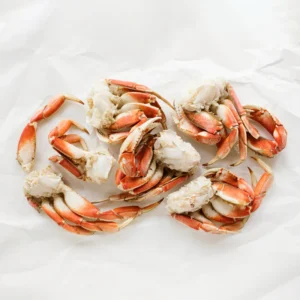
    The Atlantic and Pacific hold two remarkably similar crab species: the Jonah crab and Dungeness crab. These two look identical but show up on opposite coasts: Jonah is found in the Atlantic, while Dungeness is in the Pacific. Dungeness crab is a high-demand product for North America, stealing the crab crowd’s heart with its sweet flesh. The original location of the Dungeness crab is below Alaska, in Washington state, but the crab is a renowned choice for many seafood aficionados. The body of Dungeness crabs is significantly larger than its stubby legs, so harvest the abdomen of the critter for your salty-sweet course. Jonah crab originates in Atlantic waters, but it shares many similarities with the Dungeness crab and can be substituted for east-coast dwellers. These deep-sea creatures became popular after stowing away in lobster hauls, and their oval bodies store a delectable but mild meat. Purchase Jonah crab to maintain an affordable crab meat with a softly sweet flavor and a white, flaky look. Jonah crab claws are an excellent culinary choice. To increase their saltiness, add pungent seasonings to the claws or meat, especially for oven-baking. Cook the claws before scoring them for an effortless shell separation. Also, because this meat is low cost but equally tasty, incorporate it into crab cakes and other mixed crab dishes. Check out our Dungeness crab for sale online.

    Snow Crab, Tanner Crab, Opilio and Bairdi Explained

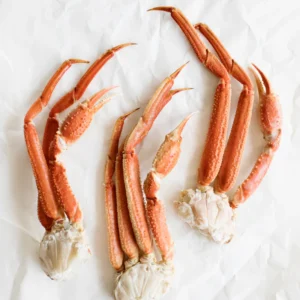
    Similar to King crabssnow crab legs and pincers will impact you with big taste. However, they’re smaller in size and more fibrous than their King crab counterparts. Your bare hands are tools enough to break apart the cluster of crab segments and shell. Snow crab, or Tanner crab, is fished out of the Bering Sea and Pacific locations as well as the Maine coast and the upper Atlantic Ocean. These light crustaceans weigh only a few pounds, and their small but pokey pincers pack a punch — at least for their predators. These crabs also go by several names: Tanner, Snow, Opilio and Bairdi. Fortunately, they can be simplified so that you know what kind of tiny claws to sample. The two main types of Snow even crossbreed, which is why these names end up being interchangeable. Snow crab, or Opilio, resides around the Alaskan Peninsula and the Pribilof Islands. They’re the smaller of the two subcategories of Tanner crab, weighing around one to two pounds. Southern Tanner crab, or Bairdi, is weightier, with a bit more meat inside. It weighs about two to four pounds. The distinction does not extend to the market, because both Opilio and Bairdi fall under “Snow crab.” They’re more affordable than any other type of crab, averaging a price of $1.29/lb. If manageable bunches of crab appeal to your dining experience, Snow crab also will look attractive to your wallet. This hands-on delicacy carries a pleasant, fibrous texture. Compared to its larger counterparts, Snow crab is healthier, with less fat. The thin legs and claws will give substantial protein while keeping your calories down. Although Snow crab is dwarfed by King crab, they’re cooked using the same methods. Boiling, steaming, frying and baking Snow crabs all warm their light pink flesh to the perfect point. Consider adding lemons for a hint of tang.

    Hair Crab: Alaska’s Mystery

    Hair crab, or Hairy crab like the Hong Kong specialty, is a less popular but unforgettable Alaskan catch. From Puget Sound to the Aleutian Islands, Hair crab is known for its fuzzy outer texture. If you’re trying to mark new and exotic crab types off your bucket list, this one is worth trying. It normally spans 1.4 inches and is softer than other kinds. The Chinese version of the Hairy crab is treasured for the female’s roe, which contains a powerfully sweet kick. Cooking Hairy crab in China is straightforward — simply steam it. Vinegar and ginger replace the traditional butter dipping sauce, which offsets the jolt of sweetness. Hairy crab is wildly expensive from the craze and curiosity, and it even rose to approximately $31.80/lb.

    Storing and Cooking Tips

    If you purchase frozen crab, store it the correct way to keep your other refrigerator items uncontaminated and safe. A container that’s watertight and sufficiently sealable is vital. Your frozen crab meat will begin to drain water as it defrosts, which can get messy. If you want to avoid a puddle the size of the ocean in your fridge, properly store the crab. Also, section off a space in your fridge away from other kinds of meat — especially anything raw. Crab is nutritious and protein-rich, but it’s necessary to maintain a bacteria-free cooking space. Depending on if you cook your crab in the oven, boil it, steam it or fry it, follow these suggestions to wow your guests, friends, family — even yourself.

    • Steam precooked and defrosted crab legs for about 4-6 minutes, and judge if they’re heated by the particular aroma that rises from the pot. If you forgot to defrost your crab it happens to the best of us simply rinse the ice from the shell and steam for 6-10 minutes. You’ll smell the tenderness of the meat — so lick your lips and get ready to crack your boiled crab legs open.
    • The optimal broiling time is around 3-5 minutes. Remember to score the shell before placing the crab in the oven.
    • Baking crab often involves wrapping clusters in foil. If you only have legs, place them directly on the pan and in the oven. For uncovered crab, bake at 350 degrees for 7-10 minutes. For covered crab, crank up the heat to 400 degrees for 6-8 minutes.

    Completing Your Crab Meal

    With a flavorful main course, choose side dishes that complete the distinct flavor of your crab rather than upstaging it. Each type of crab, whether sweet, flaky, buttery or fibrous, deserves a specific side dish that pinpoints its strength. Here are the best pairings based on crab meat flavor and texture:

    • If you have staggeringly sweet crab meat, like Hairy crab or Snow crab, opt for a zesty or acidic side like lemon or ginger.
    • For savory or salty-sweet meat, like Alaskan King Crab, capitalize on creamy and buttery sides. Olive oil alternatives with piles of vegetables also make this a mighty duo. Whether Red, Blue or Golden, your King crab will be robustly matched.
    • When your crab meat has a faintly sweet note, like Dungeness or Jonah crab, select starchy options. Lightly sweet crab combined with potatoes is the go-to arrangement, and corn on the cob is an appropriate tradition to continue.

    With these compatible blends of flavors at your fingertips, you can confidently purchase the centerpiece of your meal. Maine Lobster Now carries live, fresh and frozen crab with easy-to-follow instructions and overnight delivery. Our selection of Alaskan crab can rapidly reach your doorstep to cure your watering mouth. We’ll send fresh, flavorful crab straight from their habitats directly to your home, so buy king crab legs online and we’ll ship them right to your door!

  • How to Thaw Frozen King Crab Safely

    how to steam crab legs

    How To Steam Crab Legs: How to Thaw Frozen King Crab Safely

    How to steam crab legs? We’ve said it before, and we’ll say it again: Flash-frozen seafood is the best way to preserve flavor and texture, and is a safer alternative to store-bought “fresh” seafood that you get on ice. (News flash: Those selections in the store were most likely frozen and thawed at one point already.)

    But if you have a freezer full of frozen seafood, what’s the best way to thaw and enjoy it?

    There’s really only one correct answer to this question: The safest way to defrost your seafood is to put it in the fridge overnight. And if it comes in vacuum-sealed packaging, be sure to remove it from the packaging before thawing. That way, the seafood stays at a safe temperature at all times, without ever dipping into the bacteria danger zone.

    Available King Crab Legs

    However you choose to thaw your seafood, here are a few DON’Ts to keep in mind…

    • DON’T defrost your seafood by leaving it on the counter. Even at room temperature, you run the risk of bacteria growth and rubbery fish. 
    • DON’T defrost your seafood in a bowl of warm water. Not only does this pose a threat of unsafe bacteria growth on the surface of the seafood, but it can also cause an undesirable change in texture and taste.
    • DON’T defrost your seafood in the microwave. Ever. Though your microwave may have a defrost setting, the sporadic heat is just not worth the risk. The huge shift in temperature can mess with the texture of your dish, and it may even partially cook thinner pieces while the center remains frozen.
    • DON’T defrost fish in the vacuum-sealed packaging it comes in. Instead, remove it from the original packaging and place it in a sealable plastic bag to thaw overnight in the refrigerator.

    Reminder: Do NOT use warm or hot water to speed things up you’ll be shooting yourself in the foot. If the seafood is floating around, use a small bowl or plate on top to hold it down. The goal is to have everything equally submerged so that it defrosts evenly. 

    Of course, a delicious, properly prepared seafood feast begins with high quality catches. Order King crab legs now!

    F.A.Q.


    Can I defrost on the same day I cook?

    Yes! If you forgot to defrost your seafood in the fridge overnight, there’s still time to thaw in the refrigerator. Simply remove the seafood from its original packaging, place it in a plastic bag, and put it in the fridge for 6-8 hours or until it’s thawed.


    How can I expedite the thawing process?

    If you must, place your frozen seafood – in an airtight plastic baggie but, again, not in the original vacuum-sealed packaging – in a big bowl and cover with cold water. Obviously, ice-cold water won’t defrost anything quickly, but the water needs to be colder than room temperature, and you need to continuously change out the water every 20 minutes or so to make sure the temperature doesn’t dip into an unsafe zone.


  • Best Dipping Sauces for Alaskan King Crab

    boiling crab sauce recipe

    Boiling Crab Sauce Recipe

    Boiling Crab Sauce Recipe

    Classic Asian ingredients and flavors combine in this versatile boiling crab sauce recipe that’s a perfect accompaniment for Alaska salmon, halibut, scallops, crab and black cod.

    INGREDIENTS

    2 Tablespoons peeled and chopped fresh ginger
    1/3 cup white miso paste
    2/3 cup warm water
    1 to 2 Tablespoons rice vinegar
    1 /3 cup torn Thai basil leaves  (about 6 to 8 leaves)
    1 small red or orange pepper (Jalapeno, Scotch bonnet, Thai chile, etc.), halved and seeded*
    Chopped chives for garnish
    *1/ 4 teaspoon red chile flakes may be substituted for peppers 

    DIRECTIONS

    To prepare the boiling crab sauce recipe, place the ginger, miso paste, water, rice vinegar, basil leaves, and pepper into a blender or food processor. Blend or pulse until the peppers are finely minced. Pour the seafood sauce recipe into a serving dish and garnish with chopped chives.

    To steam the crab, fill large saute or fry pan to ½-inch depth with water.

    Add King crab legs and bring to boil; reduce heat, cover and simmer until heated through. Suggested cooking times: 6 to 8 minutes for frozen; 3 to 4 minutes for thawed.

    boiling crab sauce recipe

    Butter Sauce

    INGREDIENTS

    1/2 cup unsalted melted butter
    1 Tablespoon lemon juice
    3/4 teaspoon garlic salt
    1/2 teaspoon dried dill weed
    Dash white peppe

    DIRECTIONS

    Blend ingredients together in a bowl.

    Nutrients per serving (includes crab): 535 calories, 24g total fat, 16g sat fat, 43% calories from fat, 227mg cholesterol, 73g protein, .5g carb, .1g fiber, 3668mg sodium, 185mg calcium, and 400mg omega-3 fatty acids.

    Rouille Sauce

    Makes 4 Servings

    INGREDIENTS

    1/3 cup bottled roasted red peppers

    2 cloves minced garlic

    2/3 cup low-fat mayonnaise

    1 teaspoon lemon juice

    1/2 teaspoon red pepper flakes

    DIRECTIONS

    Combine peppers and garlic in food processor and process until well minced. Pulse in remaining ingredients until well combined. 

    Nutrients per serving (includes crab): 477 calories, 16g total fat, 2g sat fat, 31% calories from fat, 181mg cholest, 73g protein, 5g carb, .4g fiber, 3704mg sodium, 191mg calcium and 400mg omega-3 fatty acids.

    Basil-Mint Pesto Sauce

    Makes 4 Servings

    INGREDIENTS

    2 cups fresh basil leaves

    1-1/2 cups fresh mint leaves

    1/2 cup olive oil

    3 Tablespoons toasted walnuts

    3 cloves garlic

    3-1/2 teaspoons lemon juice

    1/2 cup grated Parmesan cheese

    DIRECTIONS

    Combine basil, mint, oil, walnuts, garlic and lemon juice in a food processor; puree until smooth. Add Parmesan and pulse until well combined.  

    Variation: For a creamier sauce, combine 1/4 cup Basil-Mint Pesto sauce with 1/2 cup low-fat mayonnaise.  

    Nutrients per serving (includes crab): 680 calories, 36g total fat, 6g sat fat, 49% calories from fat, 79g protein, 6g carb, 4g fiber, 3516mg sodium, 431mg calcium and 1300mg omega-3 fatty acids.

    homemade crab legs with hots sauce lemon and parsley

    Mediterranean Dip | seafood sauce recipe

    INGREDIENTS

    1 jar (6.5 oz.) artichoke hearts, drained and chopped

    1 cup grated Parmesan cheese

    1 cup low-fat sour cream

    1 cup low-fat mayonnaise

    1/4 cup sun-dried tomatoes (dehydrated or drained), chopped

    1 can (4 oz.) sliced olives, drained

    1/4 cup chopped fresh chives OR 2 Tablespoons sliced green onions

    DIRECTIONS

    Blend artichoke hearts, Parmesan cheese, sour cream, mayonnaise, sun-dried tomatoes, olives, and chives in bowl.

    Variation: Bake at 350ºF until bubbly.

    Nutrients per serving (includes crab): 485 calories, 21g total fat, 6g saturated fat, 41% calories from fat, 141mg cholesterol, 55g protein, 12g carbohydrate, 2g fiber 3040mg sodium, 368mg calcium and 300mg omega-3 fatty acids.

  • King Crab vs Snow Crab: What’s the Difference?

    king crab vs snow crab

    King Crab vs Snow Crab: What’s the Difference?

    There are over 4500 species of crab in the world. While only a few of these species make it to our plates, dinner tables, menus, and kitchens, it can still be difficult to keep these types of King crab legs and their many diverse characteristics straight. Some of the most common crab varieties include snow crabs, king crabs, and Dungeness crabs. For those interested in a deep dive on Dungeness crab, make sure to check out this blog post from our sister restaurant Crab House. Today we are going to explore king crab vs snow crab and the important distinctions between the two. This post will help you identify which variety best suits your wallet, taste buds, and cooking styles.

    What are Snow Crabs

    Snow crab vs king crab taste are a species of crab that are named for the color of their meat. Fun fact, when Snow crabs are cooked, their bright red crab meat is transformed from red to snowy white, hence the name snow crab. They are also often referred to as the “queen crab” because of their long legs, similar to king crabs. These are typically the most common type of crab or crab legs that you will find in your local supermarket or fish market. The snow crab legs are typically sold in pre-packed clusters.

    What do Snow Crabs taste like?

    Snow crab legs, typically the only part of the snow crab that we eat, tend to have a nice sweetness to the flavor with an equally as nice briny, salty, and savory flavor that makes this crab meat complex and nicely balanced. Its texture is typically more fibrous than king crab. This texture means it is more easily shredded to smaller pieces, making it perfect for appetizers or sauces.

    Where do Snow Crabs come from?

    When answering the question, where does snow crab come from, we look to the deep and frigid cold waters of the North Atlantic and North Pacific oceans. Snow crabs can be found anywhere from the cold waters of Siberia to Newfoundland and even in Alaska. This makes their harvesting season one of the longest lasting from late fall until early summer.

    What are King Crabs?

    King crabs are a legendary species of crab and have rightfully earned their name as “King”, sometimes weighing in at six to eight pounds with a leg span of up to 5ft. When we eat king crabs we typically only eat the legs (similar to snow crabs) . These are definitely one of the most important seafood exports from Alaska, when people talk about Alaskan crab legs, King crab is usually what they’re referring to. Although there are over one hundred subspecies of king crabs, the kind that we usually focus on is one of these three: Red (the most prized), Blue, and Golden. The best season for harvesting King Crab is from late October to January. Fun fact during their yearly migration they walk over 100 miles and often up to one mile per day!

    What do King Crabs taste like?

    King crabs are incredibly delectable, and are often compared to lobster, they are THAT juicy, succulent, and tender. Their meat tends to break off in larger pieces and isn’t as easily shredded. It’s most often described as having a mild flavor with subtle sweetness (aka perfect to eat with some melted butter and lemon). The meat of a king crab is white with some red streaking.

    Where does the King Crab come from?

    King Crabs are typically found in Alaska and the Bering Sea. Similar to snow crabs, these long legged crustaceans also enjoy the cold water of the northern pacific oceans. Their harvesting season is much shorter than the snow crab and only usually runs from late October to January – and even then can be shortened due to weather.

    The Key Differences between snow crab vs king crab taste

    When comparing snow crab vs king crab it’s easy to look at what they have in common. They both have long legs, they’re both cooked in really similar ways, and they both have a similar habitat. Now let’s take a look at the difference between snow crab and king crab.

    Taste:

    King crab vs snow crab taste very differently and their meat is usually used for different purposes. The King crab is known as the best of the best when it comes to crab meat and it is usually a delicacy and eaten on its own or with a buttery dip. Snow crab, because of its more savory taste, is excellent for hors d’oeuvres, and often used in salads, dips, spreads, or even in soup, although snow crab is also wonderful on its own. Depending on your cooking preferences and the occasion for having crab (not that you need an occasion to eat delicious crab) you’ll want to examine the snow crab vs king crab differences. 

    Price: 

    Due to its sought after taste, juicy pieces of meat, and the limited time frame in which you can catch king crab – the price per pound always tends to be higher than snow crab. King Crab legs can go from anywhere between $50-100/per pound. You might not be eating king crab every night at that price point, but when you do it is well worth the price. Snow Crab is more common. Because of its longer harvesting season, the price is more affordable. Snow Crab typically comes in at $20-40/ per pound. Because of the snow crab’s texture it also makes it a better choice for omelets, souffles, or pasta sauces!

    king crab vs snow crab

    How to cook Snow Crab vs King Crab legs

    If you’re looking for the best crab restaurant in San Francisco Fog Harbor Fish House is the place to go. However, we know that sometimes you want to enjoy these delectable crustaceans at home. One of the similarities between snow crab legs vs king crab legs is the way you prepare them. Both king snow crab legs, (and crab legs in general) are cooked the same way. Any home chef, no matter your skill or experience level can master these techniques. Boiling, steaming, or broiling are the easiest ways to cook any type of crab leg. 

    Boiling Crab Legs

    It’s easy to boil crab legs, in fact it’s one of the easiest ways to cook crab. Simply fill a pot with water, wait until the water reaches a boil, put in your crab legs and then boil for about 5 minutes. Then remove them from the water and serve. 

    Steaming Crab Legs

    Steaming crab legs is very simple! Bring a large pot of water to a boil and place a steamer basket inside your pot. Put your crab legs inside the steamer basket and cover the pot. Leave the pot covered for five to seven minutes. Then remove the lid and serve.

    Broiling Crab Legs

    Preheat your oven to the “broil” setting. Place all crab legs on a baking sheet and coat with olive oil or butter. Once your oven has finished preheating, place the baking sheet in the oven at least six to eight inches below the broiler. Broil one side of the crab legs for around three to four minutes. Then flip the crab legs and broil the second side for the same amount of time.

    king crab vs snow crab

    Best way to serve King, Snow crab legs

    We are purists when it comes to the best way to serve crab legs. We enjoy dipping the meat in melted butter and serving them up with lemon. If you’re looking for best things to serve with crab make sure you give this post a good read, lemon rice, grilled veggies, and of course wine top the list. 

    Those looking for crab or seafood in general in San Francisco often come to us at Fog Harbor Fish House. We are most well known for our amazing seafood, (we were recently named one of Eater’s top seafood restaurants in SF), and our incredible and unbeatable view of the San Francisco Bay Area. Fog Harbor proud to serve the best crab in San Francisco. And while our focus is on the succulent Dungeness crab variety, we love educating our guests on the distinct differences between all the crab varieties available. We hope to see you soon at our Pier 39 location.

    Why Visit Fog Harbor Fish House

    We pride ourselves on our incredible sustainability efforts and delicious seafood menu. Fog Harbor Fish House is also an incredible place to take in the sights and sounds of San Francisco. If you’re wondering where to watch the sunset in San Francisco, Fog harbor has an unbeatable view of the Golden Gate Bridge and Alcatraz.

    You can also hear the famous PIER 39 sea lions from our restaurant. Not only that, Fog Harbor is a wonderful place to get to know the foods that San Francisco is known for, and dine on our delicious seafood staples like our dungeness crab, clam chowder in a sourdough bread bowl, and cioppino to name a few. We also have an incredible wine list that has a focus on California producers, with some old world wine options as well. Our dedicated team will help show you the differences between different white wines or different red wines and expertly pair them with your menu items.